Sleep
Blue light glasses
Evening glasses that filter part of the blue wavelength range, compared on lenses and price.
These filter part of the blue wavelength range, and how much they filter comes down to the lens tint, so a clear lens does far less than an amber one. Brands state their own blocking percentage at a specific wavelength, and some publish no number at all, which is worth knowing before paying a premium. Decide whether you want an evening pair for winding down or an all-day pair for a desk, because the tint that suits one looks wrong for the other.
What blue light glasses cost right now
We track 3 products here across 3 offers from 3 retailers. Every figure below comes from a price we opened and checked ourselves, between Aug 17, 2026 and Sep 24, 2026.
- Typical
- $120
- Most expensive
- $129
The middle of the 3 best prices on this page
Top of the range we currently track
All 3 products we track, cheapest first
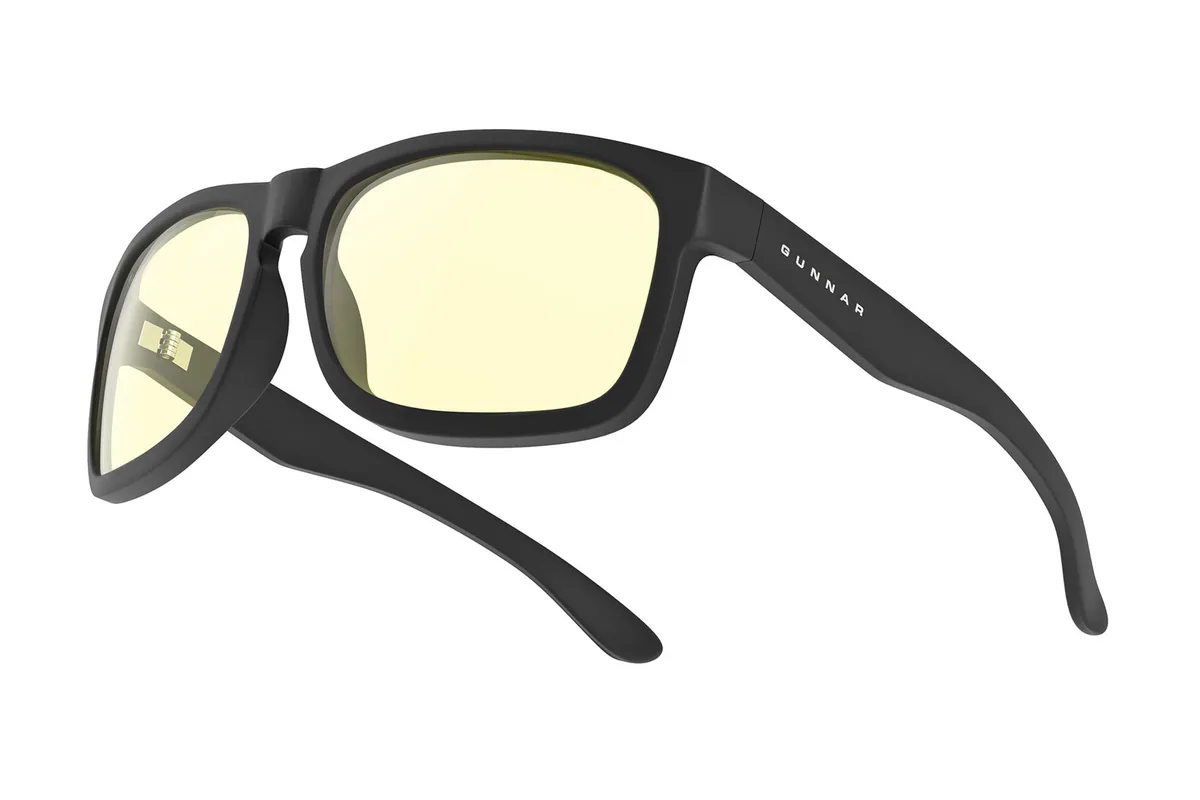
GUNNAR Intercept
A gaming and computer glasses frame with multiple lens tint options and brand-published blue-light-blocking percentages.
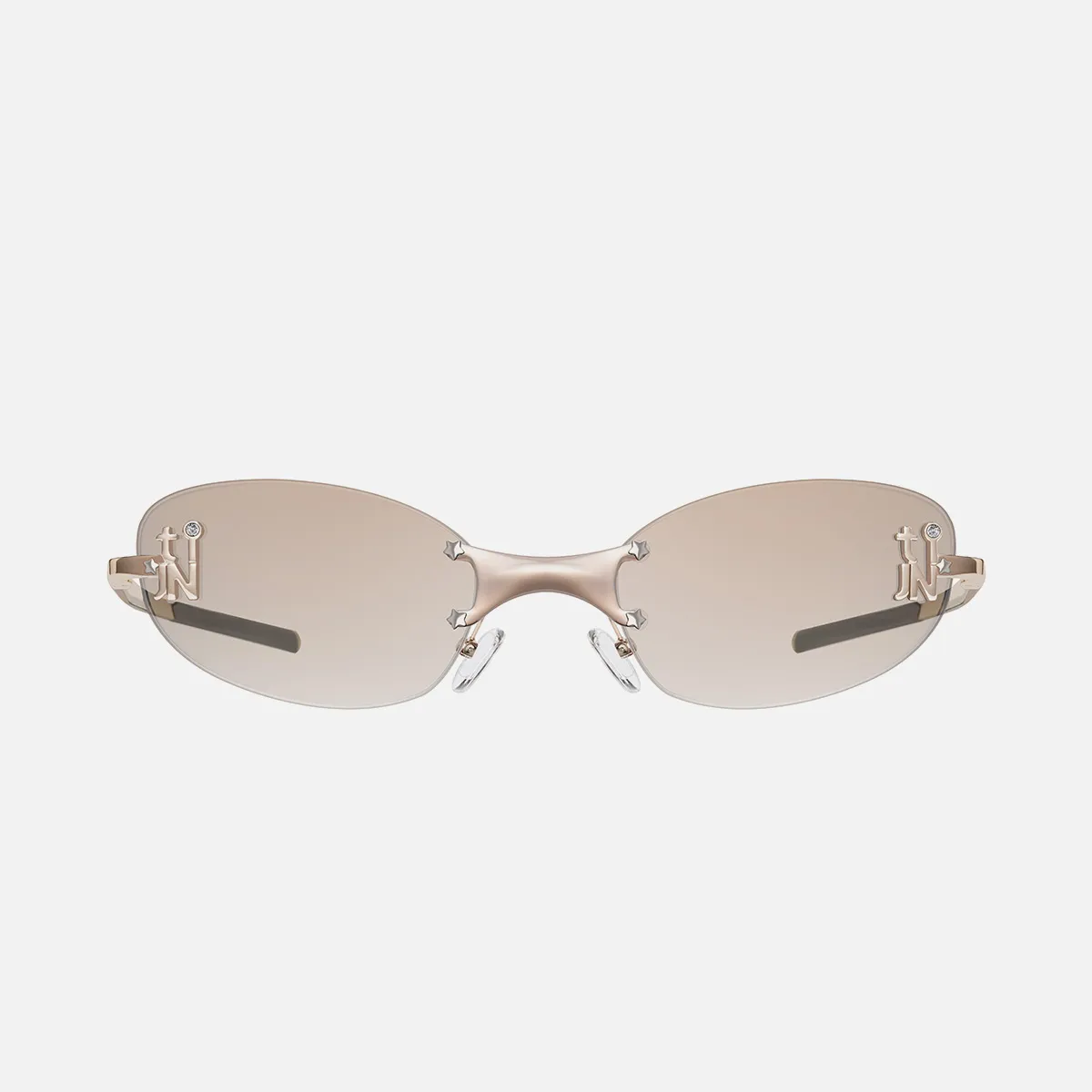
TIJN Emblematic O 01
A fashion-forward color-tinted lens frame from eyewear brand TIJN, sold with a blue-light-filter treatment.
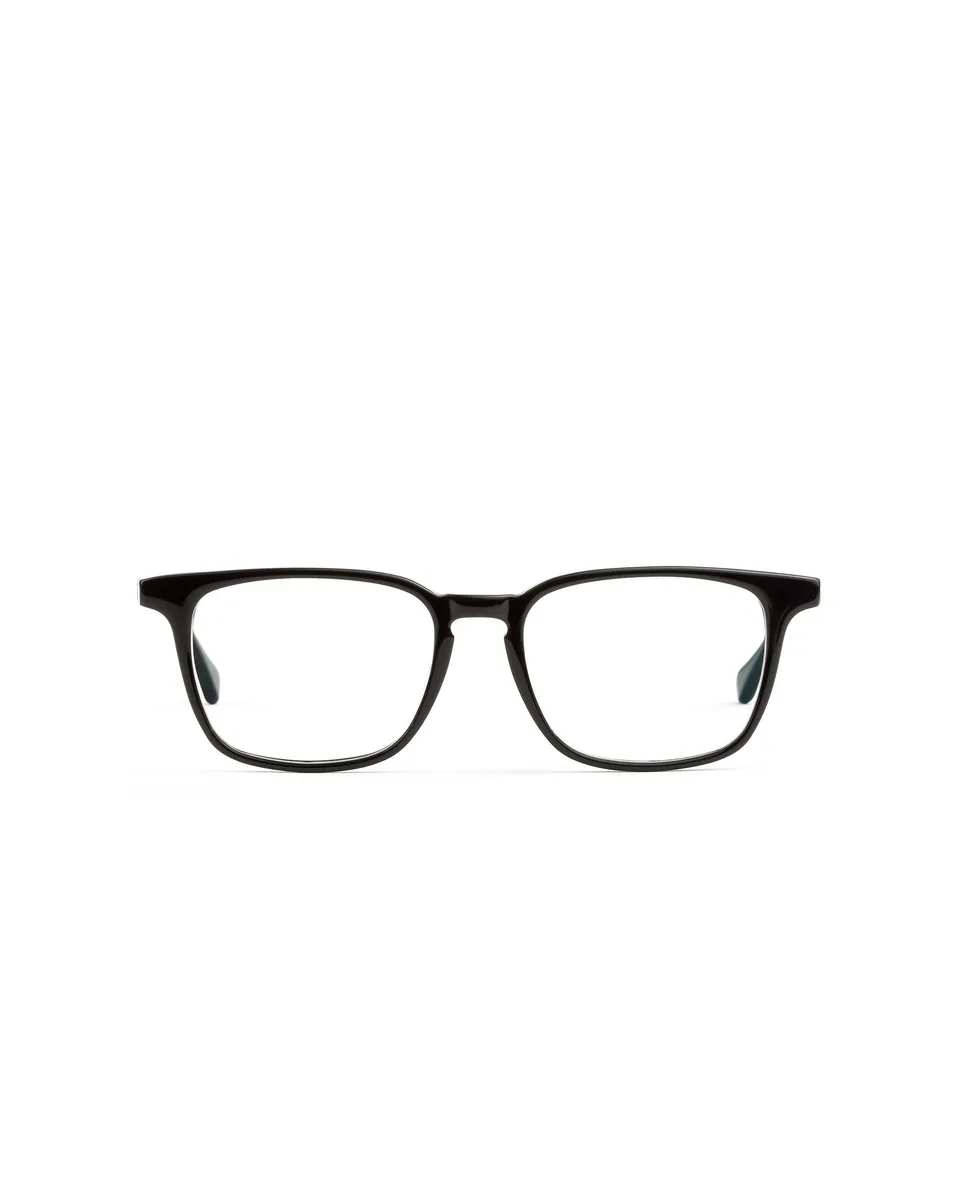
Felix Gray Nash
Non-prescription computer glasses with Felix Gray's proprietary blue-light-filtering lens material.
What actually differs
The specs that vary across the blue light glasses we track. Sorted cheapest first, so you can see what the extra money is buying rather than guessing.
| Product | Best price | Colorways | Frame material | Lens type | Prescription | Returns | Shipping |
|---|---|---|---|---|---|---|---|
| GUNNAR Intercept | $69.99 | — | Nylon, retro-classic rectangle shape | — | — | — | — |
| TIJN Emblematic O 01 | $120 | 6 frame and lens color combinations, e.g. Gold Colour/Brown Lenses, Gold Colour/Grey Lenses, Silvery/Violet Lenses | — | Color-tinted lenses with a blue light filter treatment, per TIJN | Optical frame; prescription lenses available through TIJN's site | Easy return policy stated on the product page | Free shipping on orders over $89, per brand |
| Felix Gray Nash | $129 | Multiple, including Forest Fade, Black, Panorama, Whiskey Tortoise | Acetate | Proprietary blue-light-filtering material infused into the lens, brand states it is not a surface coating or dye | Available with or without prescription lenses | 30-day risk-free returns, per brand | Free shipping, per brand |
Common questions
How much do blue light glasses cost?
The pairs we track run from around seventy dollars to a hundred and thirty. The table above gives the price we verified for each and the date. Frames at a fraction of that exist everywhere online; what you generally cannot get from them is a stated filtering figure attached to a specific wavelength.
Do blue light glasses actually work?
They filter part of the blue wavelength range, and how much depends almost entirely on the tint. That much is optics and is not in dispute. What is disputed is the downstream claim, that filtering that light improves sleep or reduces eye strain, where the evidence is mixed and the strongest claims come from the companies selling the glasses. We publish the filtering specs and attribute every brand claim rather than endorsing the outcome.
Are clear blue light lenses worth buying?
For evening use, they do far less than the marketing implies, because filtering meaningful amounts of blue light requires a visible yellow or amber tint. For daytime screen work, a clear lens in a comfortable frame is a reasonable thing to own and the tint is not the point. Buy on that basis rather than on a blocking percentage.
What does the blocking percentage mean?
It is the share of light the lens filters at one named wavelength, chosen by the brand. Because brands pick different wavelengths, two percentages are often not measuring the same thing. On every product page here we quote the figure with the wavelength it was stated at, and attribute it to the brand, so you can see whether two numbers are actually comparable.