Sleep
White noise machines
Fan-based and digital sound machines, compared on sound quality, controls and price.
The real split is mechanical or digital. A fan-based machine moves actual air, so the sound never loops, but you only get a narrow range of tones. Digital machines give you a bigger sound library and a timer for less money, so check how long each track runs before it repeats, because short loops are the thing people notice at three in the morning.
What white noise machines cost right now
We track 6 products here across 8 offers from 7 retailers. Every figure below comes from a price we opened and checked ourselves, on Oct 11, 2026.
- Typical
- $62.42
- Most expensive
- $119.99
The middle of the 6 best prices on this page
Top of the range we currently track
Where stores disagree today
Same product, different shelf, different price. These are the gaps we found on the dates shown, and they are the whole reason to check before buying.
- Yogasleep Dohm Classic: $49.99 at Yogasleep against $54.99 at Staples. $5 apart, checked Oct 11, 2026.
All 6 products we track, cheapest first
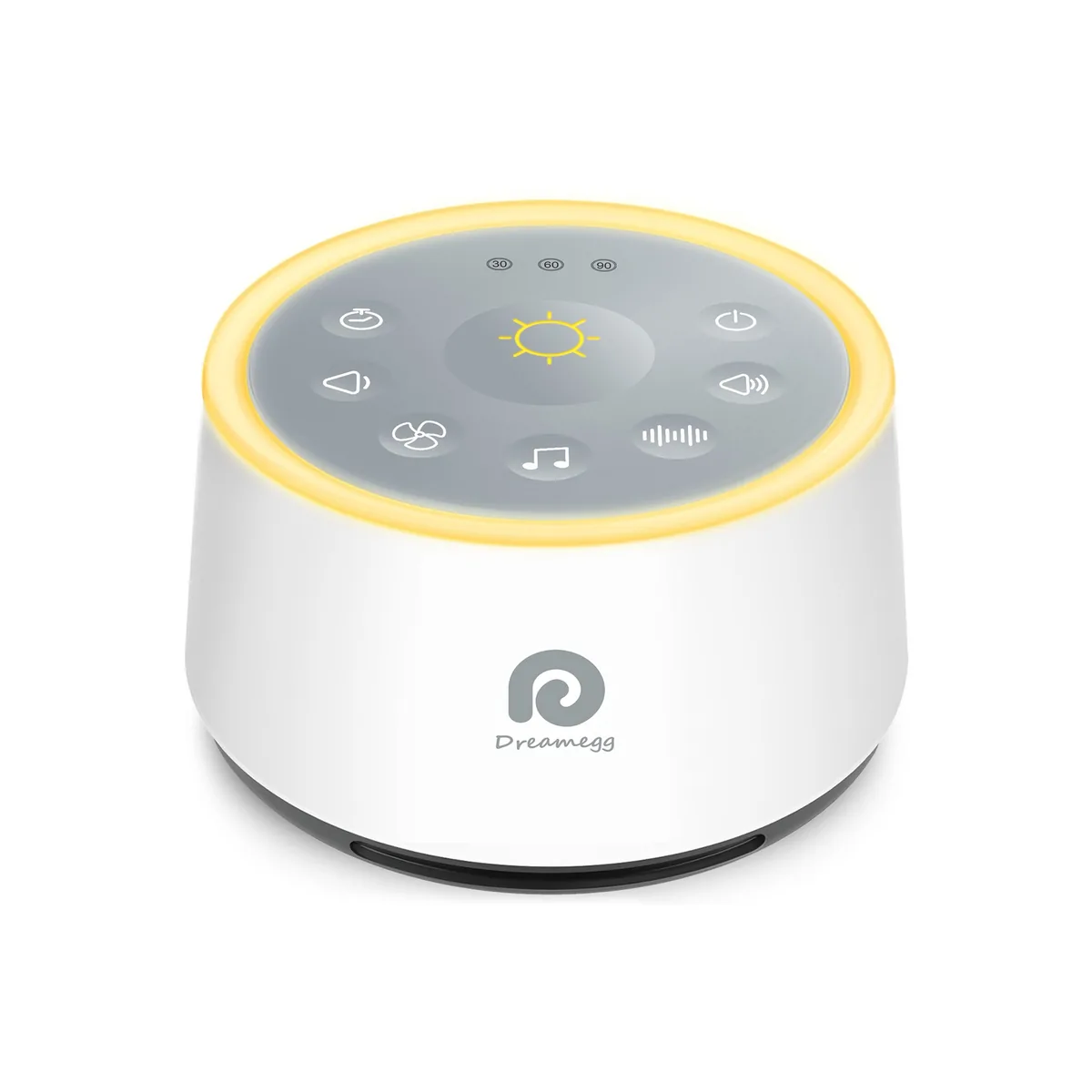
Dreamegg Classic D1
A budget sound machine with 24 sound options, a night light, and a timer, aimed at both adults and nurseries.
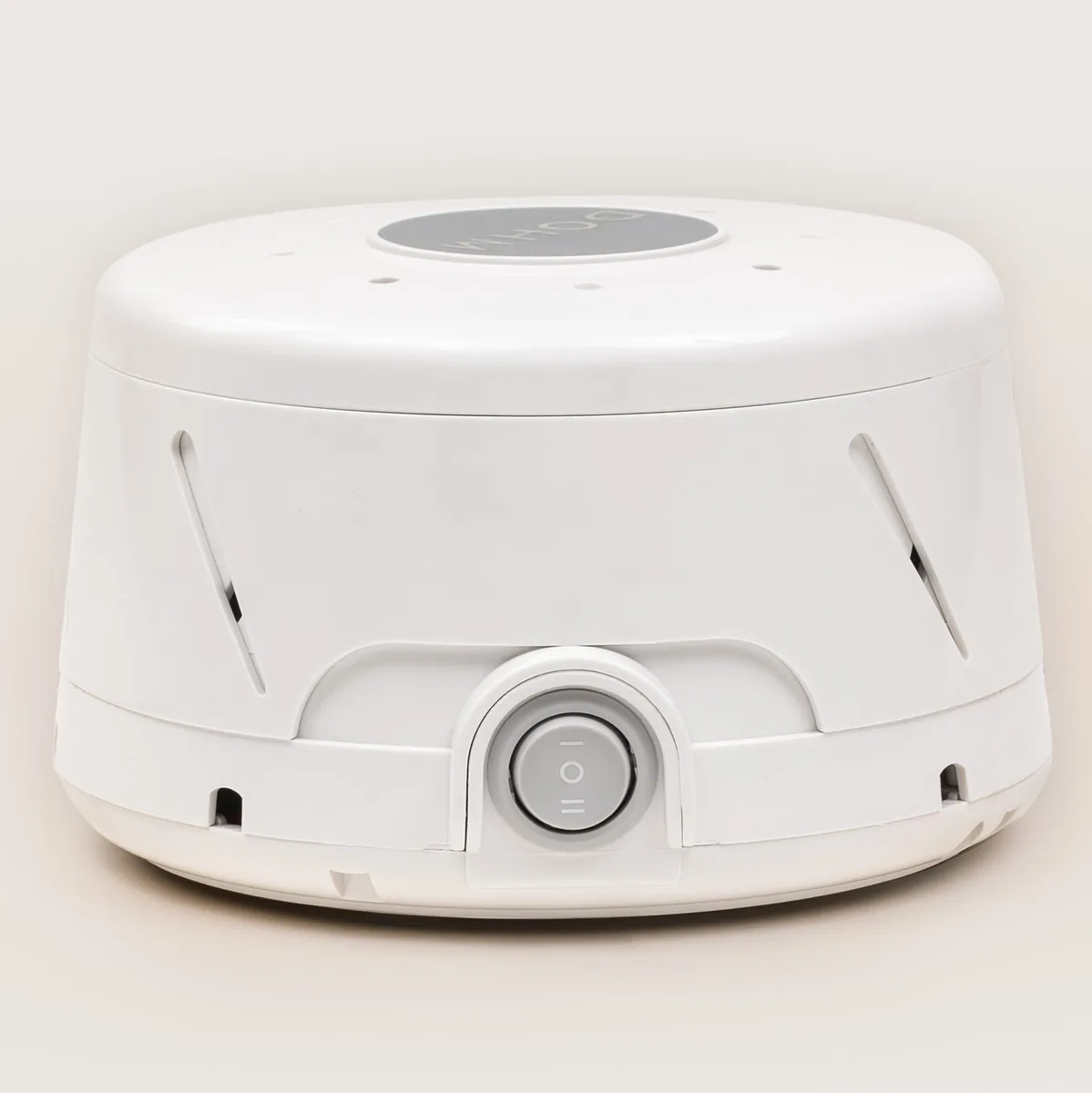
Yogasleep Dohm Classic
The original fan-based white noise machine, using a real motor and fan blade instead of a speaker to produce sound.
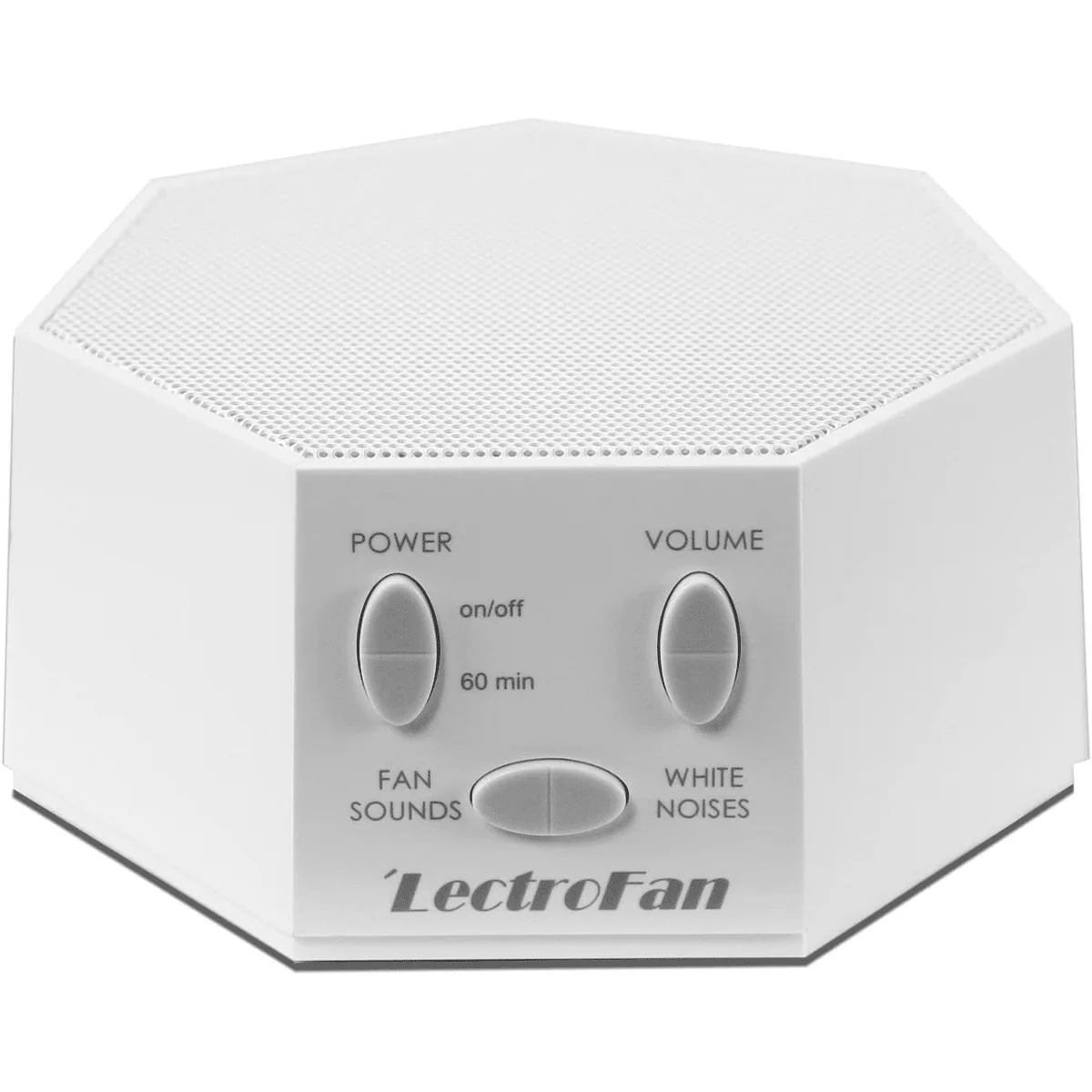
LectroFan Classic
A pocket-sized digital sound machine with 20 non-looping fan and white noise variations for masking background noise.
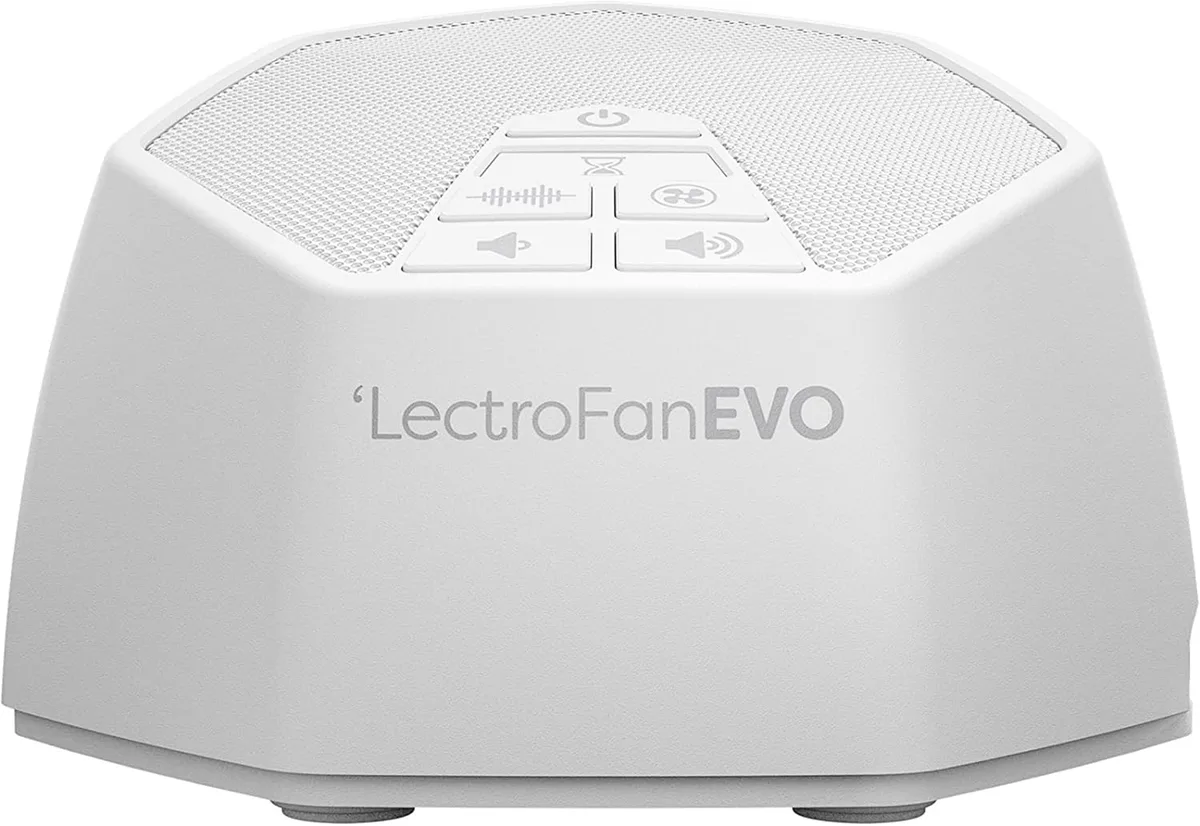
LectroFan Evo
A step up from the LectroFan Classic with two extra ocean sounds and a longer sleep timer, digitally synthesized so the sound doesn't audibly loop.
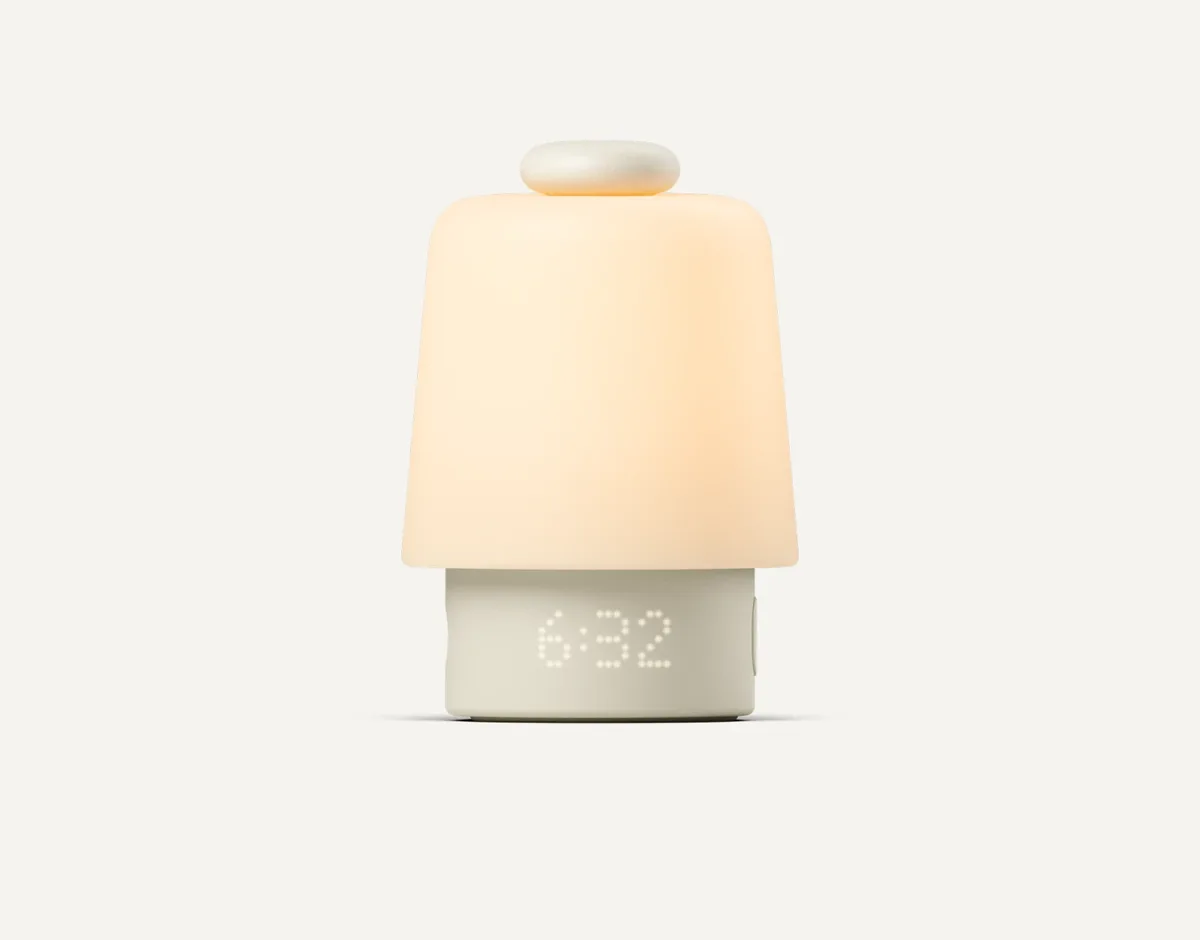
Hatch Baby (Hatch Rest)
A sound machine and night light for kids' rooms, formerly sold as the Hatch Rest, combining sleep sounds, an adjustable light, and a companion app for bedtime routines.
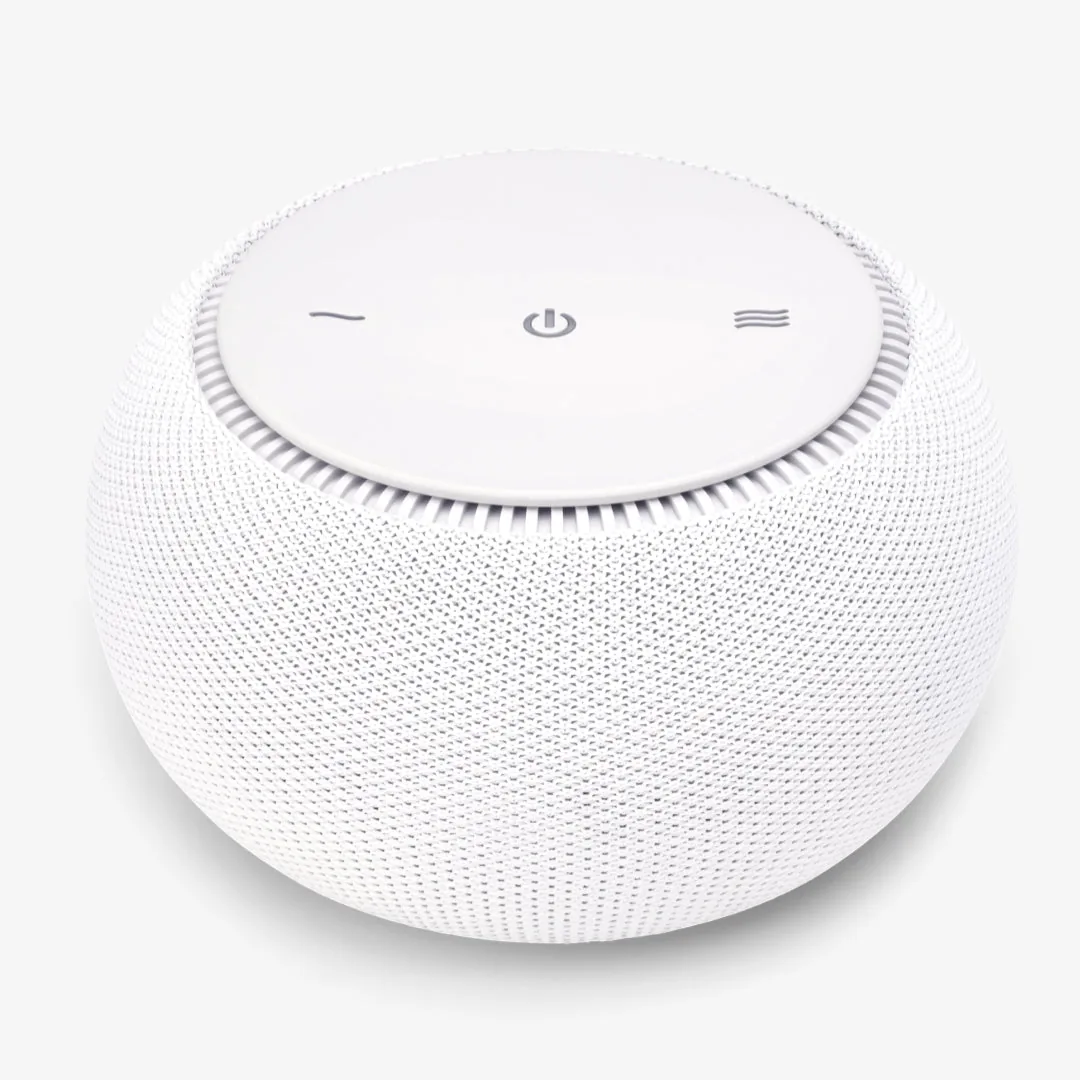
SNOOZ Pro
A smart white noise machine with a real fan inside plus app control for scheduling and remote volume adjustment.
What actually differs
The specs that vary across the white noise machines we track. Sorted cheapest first, so you can see what the extra money is buying rather than guessing.
| Product | Best price | Power |
|---|---|---|
| Dreamegg Classic D1 | $39.99 | — |
| Yogasleep Dohm Classic | $49.99 | Corded, plugs into a standard outlet (US/Canada only) |
| LectroFan Classic | $58.88 | USB powered (cable included, no wall adapter) |
| LectroFan Evo | $65.95 | USB cable plus included AC wall adapter |
| Hatch Baby (Hatch Rest) | $79.99 | — |
| SNOOZ Pro | $119.99 | Plug-in only (100-240V), no internal battery |
Common questions
How much does a white noise machine cost?
The machines we track start around forty dollars for a compact digital unit and run to about a hundred and twenty for a fan-based machine with app control and tone shaping. The table above carries the exact figure we verified for each one with the date attached.
Is a fan-based white noise machine better than a digital one?
It is better at sounding natural, because it is not a recording and therefore cannot loop. It is worse at everything else: one sound, no timer on the simplest models, no night light, no library. If the looping seam in cheap digital noise is the thing that bothers you, a mechanical machine solves it permanently. If you want rain and a sleep timer, it cannot help.
Do white noise machines have subscriptions?
Most do not. A few connected models bundle or sell a content library, and where that is the case we list it as its own spec line on the product page rather than burying it. The machine itself always makes noise without paying.
What is the cheapest white noise machine worth buying?
The cheapest entry in the table above is the current answer, and its product page states what it gives up. At the bottom of this range you are getting a digital machine with a decent sound library, a timer and physical buttons. What you are not getting is long non-looping samples or fine tone control.