Sleep
Earplugs for sleep
Reusable and foam earplugs made for sleeping, compared on noise reduction and price.
The number to compare is the NRR, and even a high one only takes the edge off rather than delivering silence. Reusable silicone plugs work out cheaper over time and ship with several tip sizes, while moldable foam or silicone putty seals better for most ear shapes but wears out fast. Side sleepers should look for a low stem that does not press into the pillow.
What earplugs for sleep cost right now
We track 4 products here across 6 offers from 3 retailers. Every figure below comes from a price we opened and checked ourselves, on Oct 11, 2026.
- Typical
- $24.97
- Most expensive
- $49.95
The middle of the 4 best prices on this page
Top of the range we currently track
All 4 products we track, cheapest first
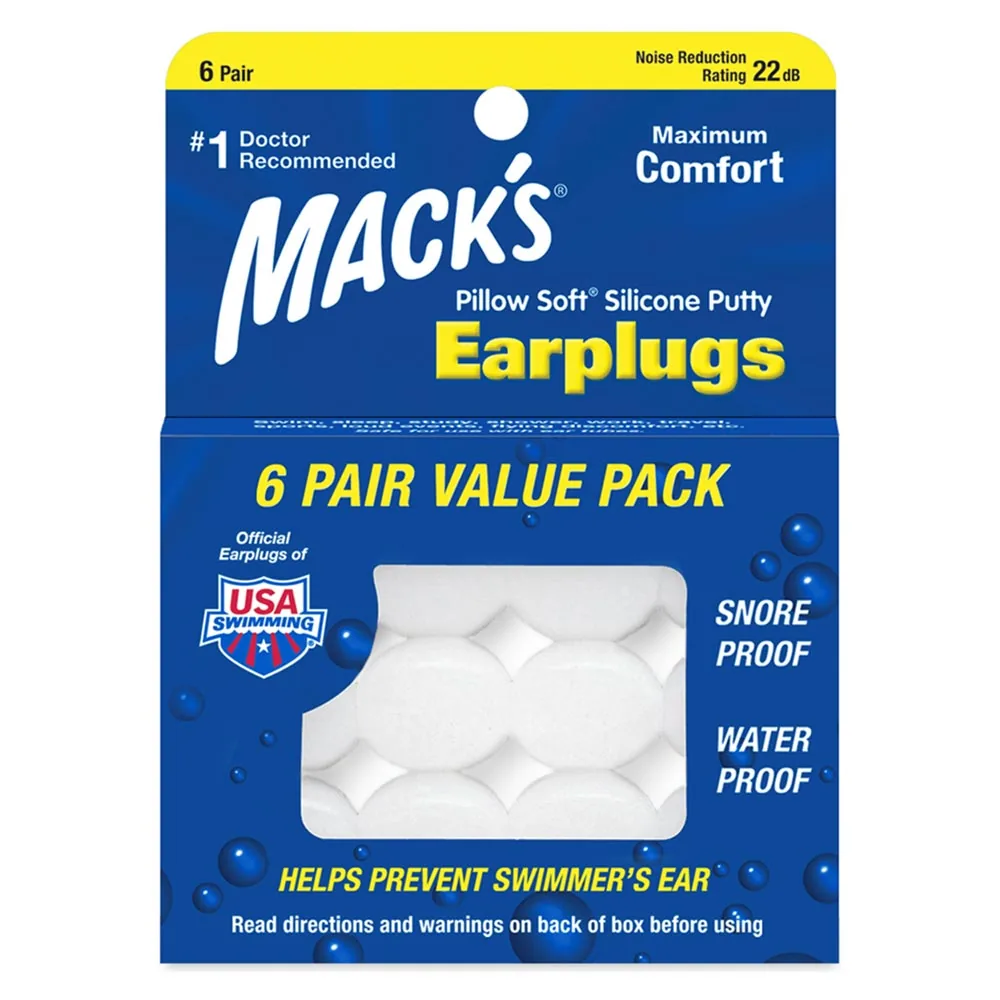
Mack's Pillow Soft Silicone Earplugs
Moldable silicone putty earplugs that you shape by hand to your own ear, sold in a 6-pair pack.
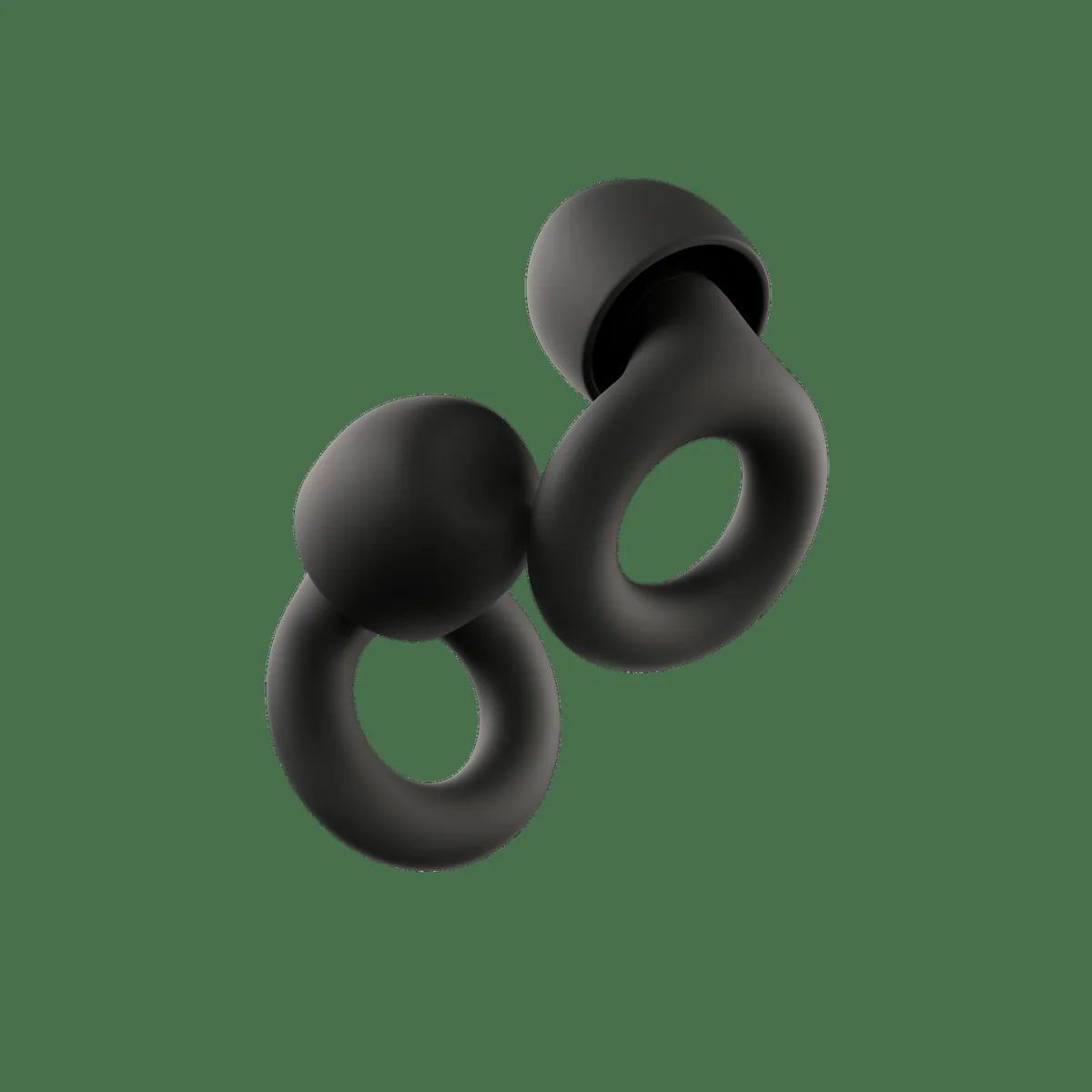
Loop Quiet 2
Loop's general-purpose reusable silicone earplug, used for sleep, travel and everyday noise reduction.
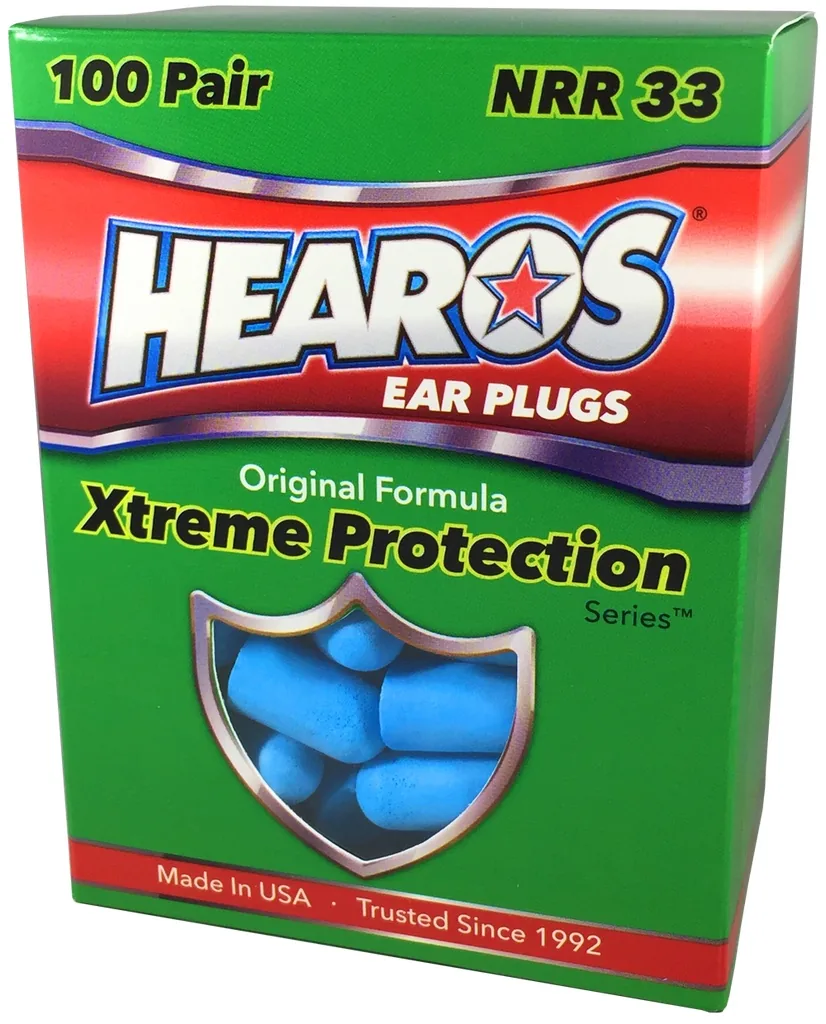
Hearos Xtreme Protection Series
High-NRR foam earplugs sold in bulk packs, aimed at loud environments including heavy snorers.
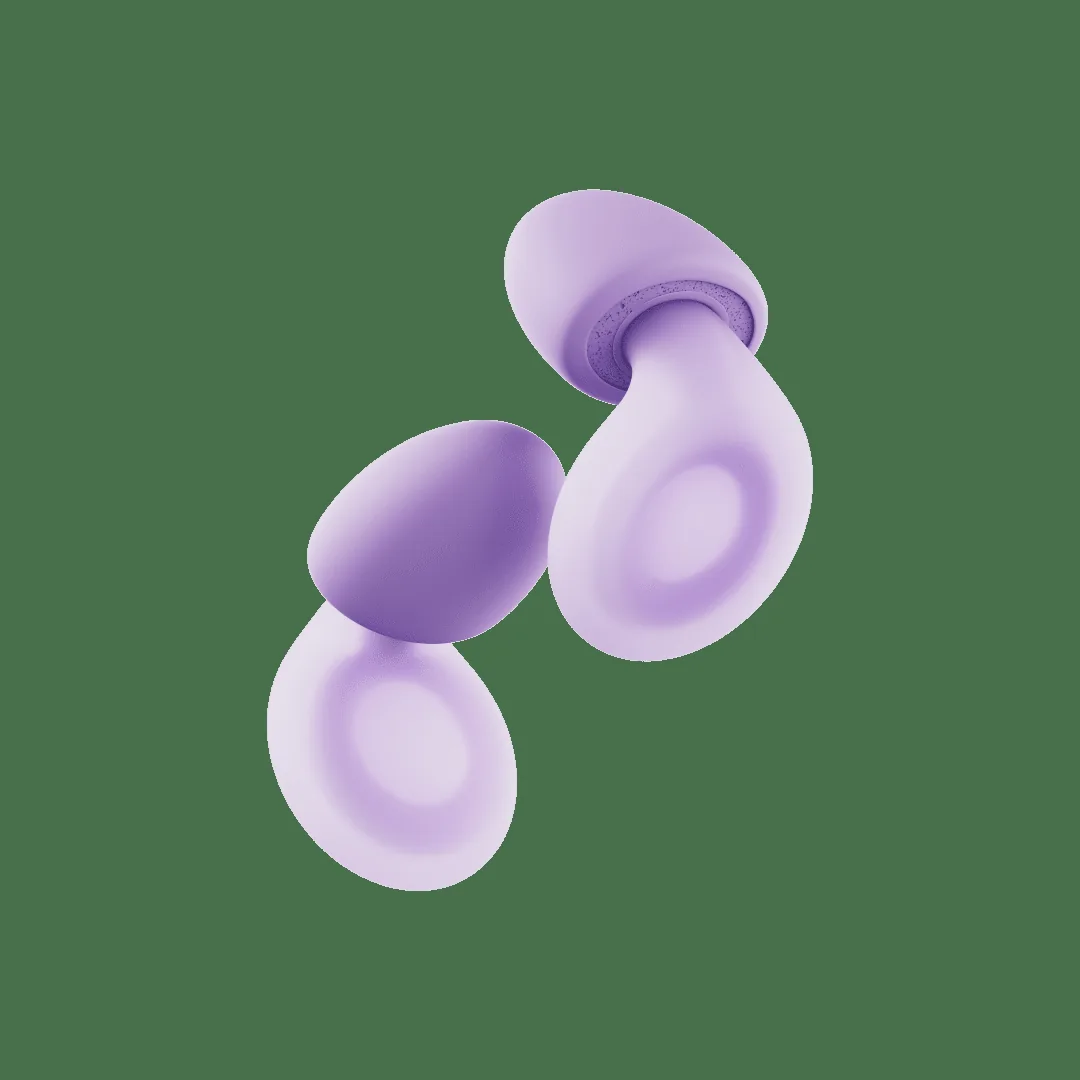
Loop Dream
Loop's sleep-specific earplug, built low-profile for side sleeping with a higher noise rating than their general Quiet line.
What actually differs
The specs that vary across the earplugs for sleep we track. Sorted cheapest first, so you can see what the extra money is buying rather than guessing.
| Product | Best price | Material |
|---|---|---|
| Mack's Pillow Soft Silicone Earplugs | $9.44 | Silicone putty |
| Loop Quiet 2 | $24.95 | Soft-touch silicone |
| Hearos Xtreme Protection Series | $24.99 | Hypoallergenic polyurethane foam, closed-cell skin |
| Loop Dream | $49.95 | Soft silicone shell with silicone/memory-foam ear tips |
Common questions
How much do earplugs for sleeping cost?
Under ten dollars for a multi-pair box of mouldable silicone or foam, and up to around fifty for a reusable silicone plug designed specifically for sleeping. The table above shows what we verified for each and when. Per night of use, foam is cheaper; over a year, reusable plugs usually work out cheaper.
What NRR do I need to sleep through snoring?
Higher helps, and no rating available to consumers gets you silence. Snoring carries a lot of energy at low frequencies, which is exactly what passive plugs attenuate least. A high-NRR foam plug takes the edge off enough that many people can sleep, and if it does not, the next step is masking the sound rather than blocking it.
Are reusable earplugs worth it over foam?
For comfort and cost over time, yes. For maximum noise reduction, no. Reusable silicone plugs sit flatter in the ear, which matters if you sleep on your side, and they ship with several tip sizes so you can actually get a seal. Foam still wins on raw attenuation and is the better choice if blocking the most noise is the only thing you care about.
Can you sleep in earplugs every night?
Most people do so without trouble, and the two things to watch are hygiene and earwax. Reusable plugs need washing on the maker's schedule, foam plugs are meant to be single use or close to it, and pushing any plug too deep can compact wax over time. If your ears ache or you notice hearing changes, that is a doctor question and not a product question.